Mold Control in Dallas, TX
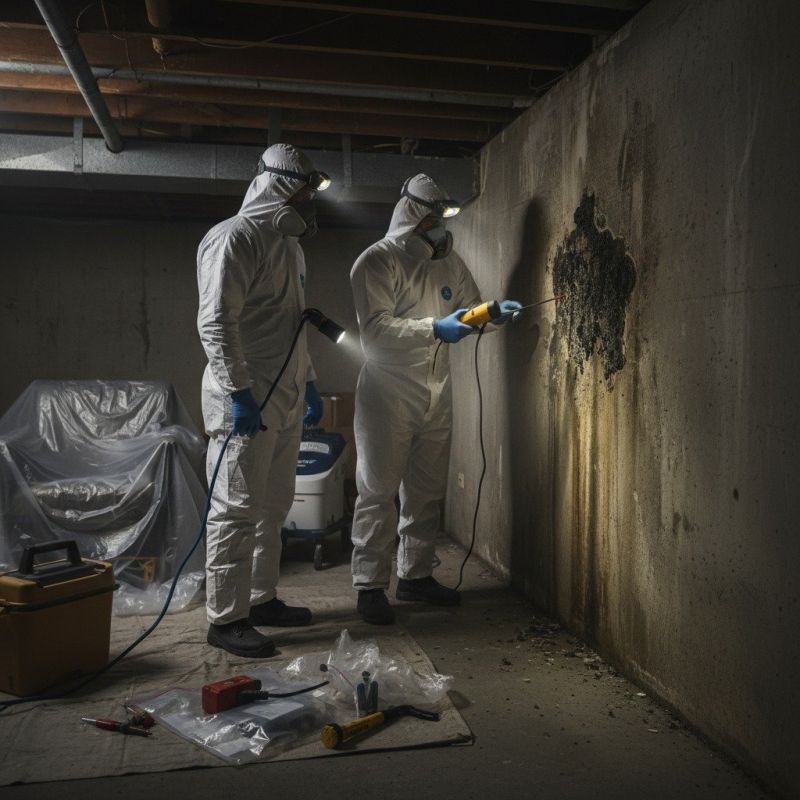
Mold control services focus on identifying and removing mold growth within residential properties, helping to improve indoor air quality and prevent potential health issues. These services typically cover projects such as mold inspections, moisture source identification, mold remediation, and ongoing prevention measures. Property owners often seek mold control when they notice visible mold, experience musty odors, or suspect hidden mold growth behind walls, ceilings, or in basements. Understanding the extent of mold presence and the underlying moisture problems is essential before requesting treatment, as addressing the source is key to effective and lasting results.
Before requesting mold control services, homeowners should consider the scope of the affected areas and any health concerns related to mold exposure. It’s helpful to know if there has been recent water damage, leaks, or high humidity levels that could contribute to mold growth. Clear communication about the size and location of visible mold, as well as any related issues such as persistent dampness, can assist in planning appropriate remediation strategies. Proper assessment and targeted treatment can help restore a healthy indoor environment and prevent future mold problems.
Many property owners in Dallas, TX look into Mold Control for repairs, replacements, upgrades, and appearance-related improvements.
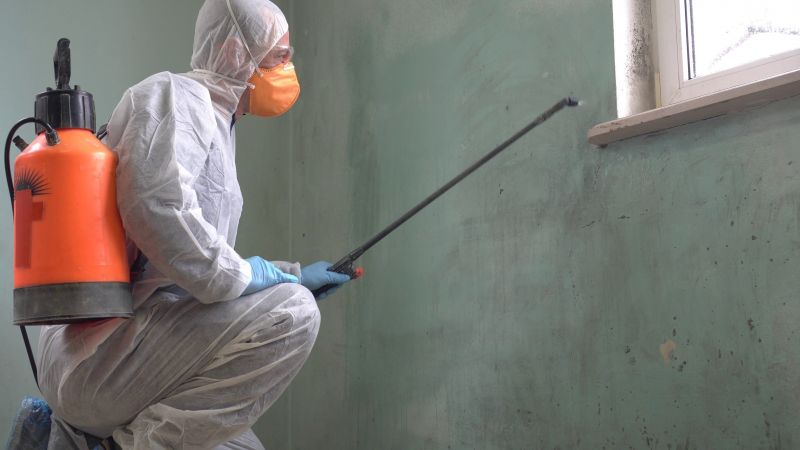
Signs Of Mold Growth
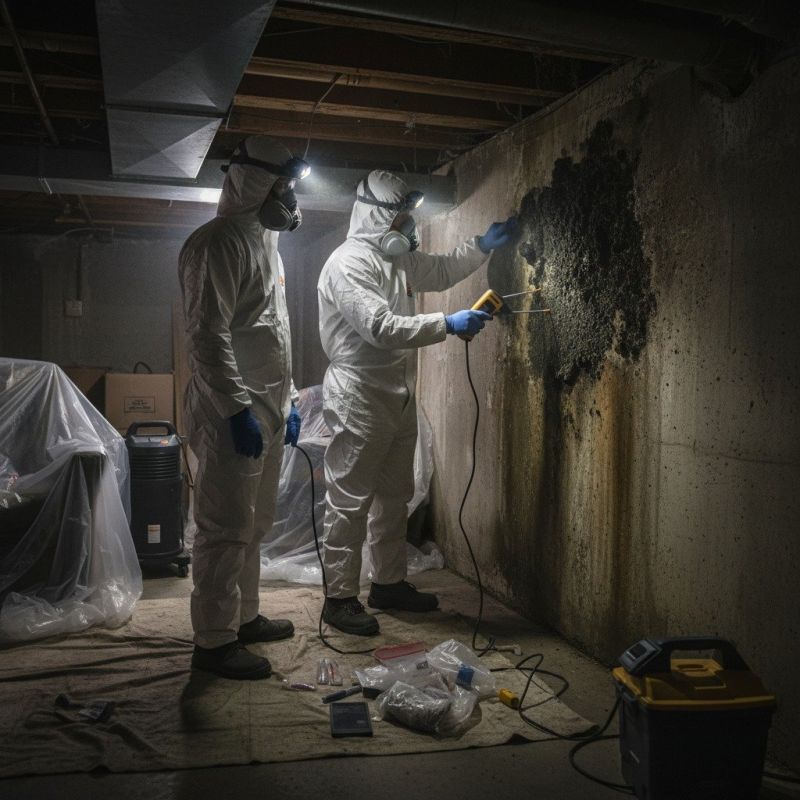
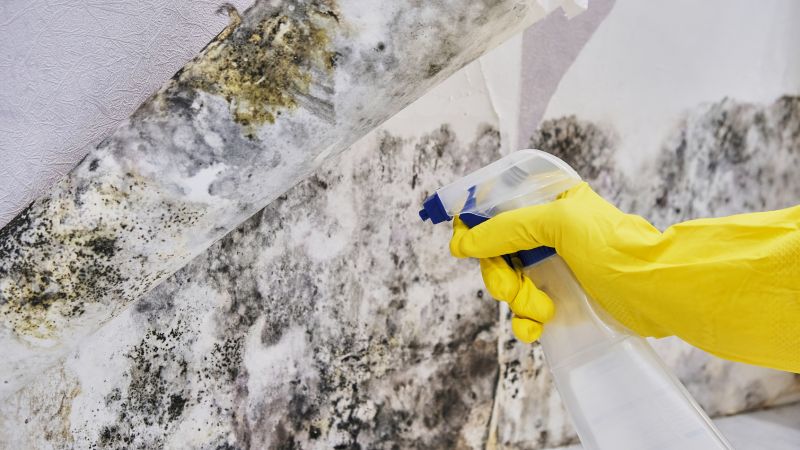
Visible mold, musty odors, and increased allergy symptoms can indicate mold problems in dallas homes.
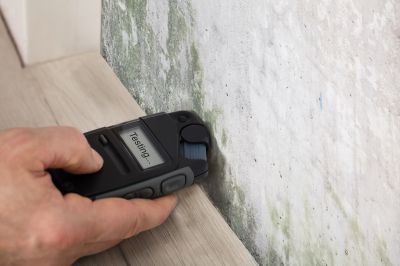
Common Causes Of Mold
High humidity, water leaks, and poor ventilation often contribute to mold development in residential properties.
Preventive Measures
Controlling moisture levels and addressing leaks promptly are key steps to prevent mold from spreading in dallas-area homes.
Mold Control in Dallas, TX
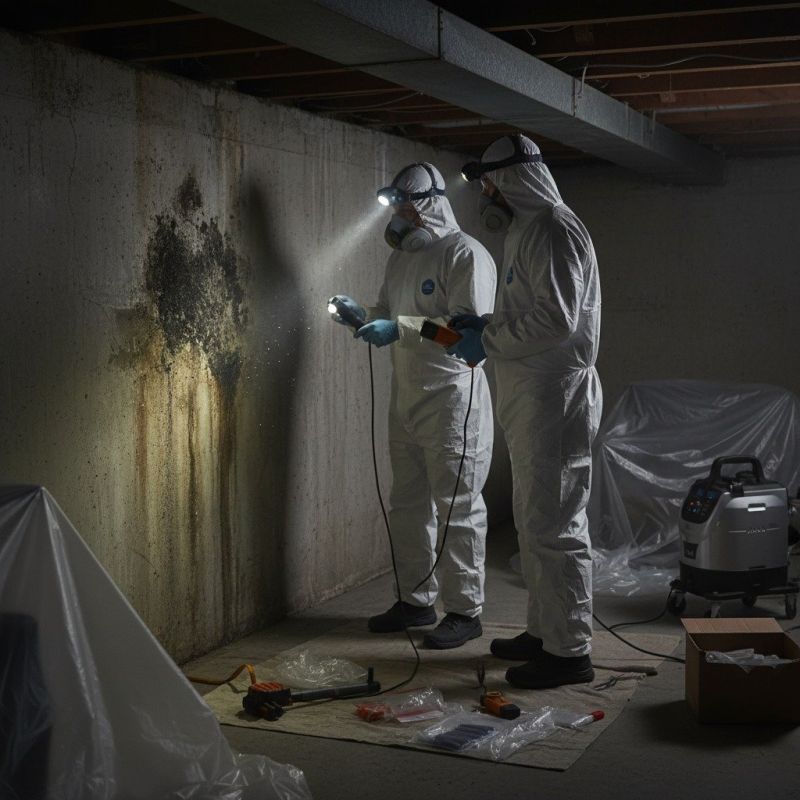
Mold control services focus on identifying and removing mold growth within residential properties, helping to improve indoor air quality and prevent potential health issues. These services typically cover projects such as mold inspections, moisture source identification, mold remediation, and ongoing prevention measures. Property owners often seek mold control when they notice visible mold, experience musty odors, or suspect hidden mold growth behind walls, ceilings, or in basements. Understanding the extent of mold presence and the underlying moisture problems is essential before requesting treatment, as addressing the source is key to effective and lasting results.
Before requesting mold control services, homeowners should consider the scope of the affected areas and any health concerns related to mold exposure. It’s helpful to know if there has been recent water damage, leaks, or high humidity levels that could contribute to mold growth. Clear communication about the size and location of visible mold, as well as any related issues such as persistent dampness, can assist in planning appropriate remediation strategies. Proper assessment and targeted treatment can help restore a healthy indoor environment and prevent future mold problems.
Many property owners in Dallas, TX look into Mold Control for repairs, replacements, upgrades, and appearance-related improvements.
Common Mold Control Jobs
Mold Remediation - removal of existing mold from indoor environments to improve air quality.
Mold Prevention - implementation of strategies to reduce future mold growth in homes.
Moisture Control - addressing leaks and humidity issues that contribute to mold development.
Air Quality Testing - assessing indoor air to identify mold spores and other contaminants.
Structural Drying - drying out affected areas after water damage to prevent mold growth.
Home Inspection - evaluating properties for mold risk factors during real estate transactions.
Mold Control Questions
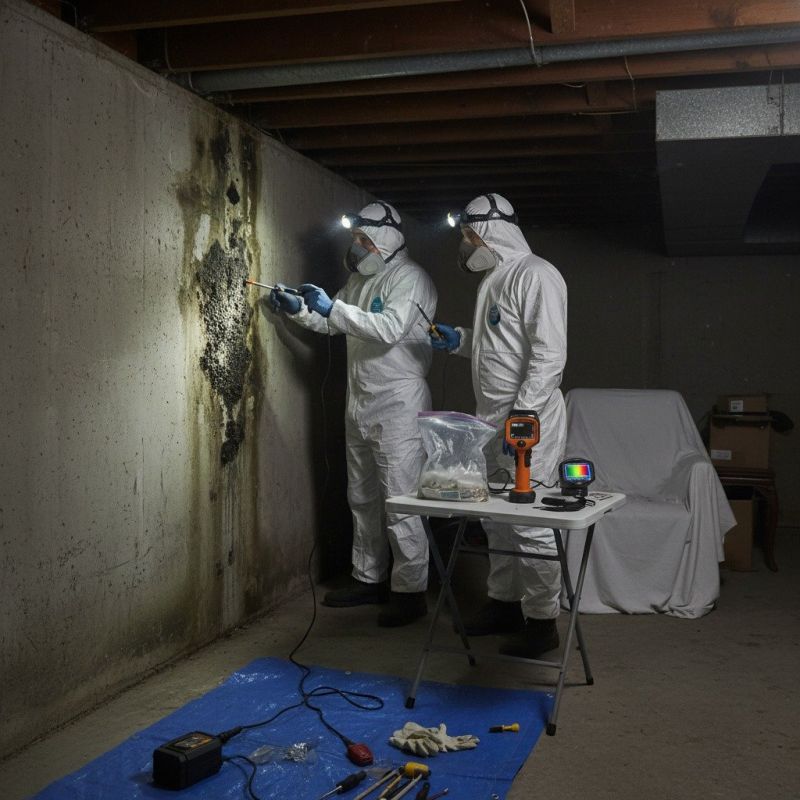
What causes mold growth in homes? Mold can develop due to excess moisture from leaks, high humidity, or poor ventilation in indoor spaces.
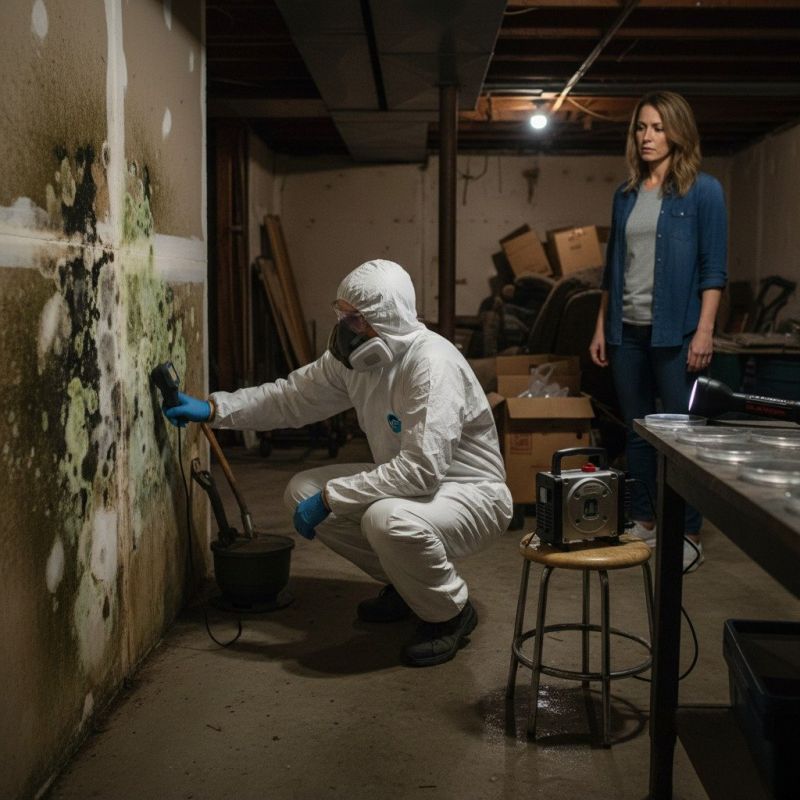
How can property owners identify mold problems? Signs include visible mold patches, a musty odor, or increased allergy symptoms indoors.
What areas are most susceptible to mold in a property? Common spots include bathrooms, basements, around windows, and areas with water damage or leaks.
What are typical mold control methods? Effective approaches involve moisture management, cleaning affected surfaces, and addressing underlying water issues.
Request Mold Control in Dallas, TX
Use the quote form on this page to share the basics of your project and request more information for the type of work you need.