Asbestos Inspection Timing Guide
Timely asbestos inspection is essential for maintaining safe indoor environments and ensuring compliance with regulations. The optimal time for inspection typically coincides with property renovations, demolitions, or prior to purchasing a property. Regular inspections are also recommended in buildings with aging materials, especially those constructed before the 1980s, when asbestos use was more prevalent.
Perform asbestos inspections before starting renovation work to identify potential hazards and plan proper removal or containment procedures.
Inspecting a property before purchase helps identify asbestos-containing materials and assess potential risks for future maintenance or renovations.
Regular inspections in older buildings can detect deteriorating asbestos materials, preventing exposure and health risks.
Inspection before demolition ensures asbestos is properly identified and safely removed, complying with safety regulations.
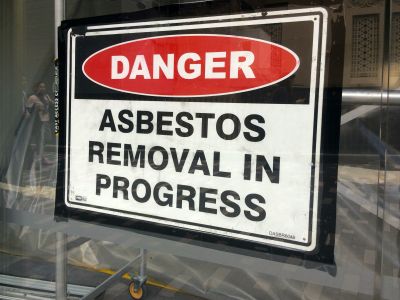
Asbestos Inspection Service in progress at a commercial property.
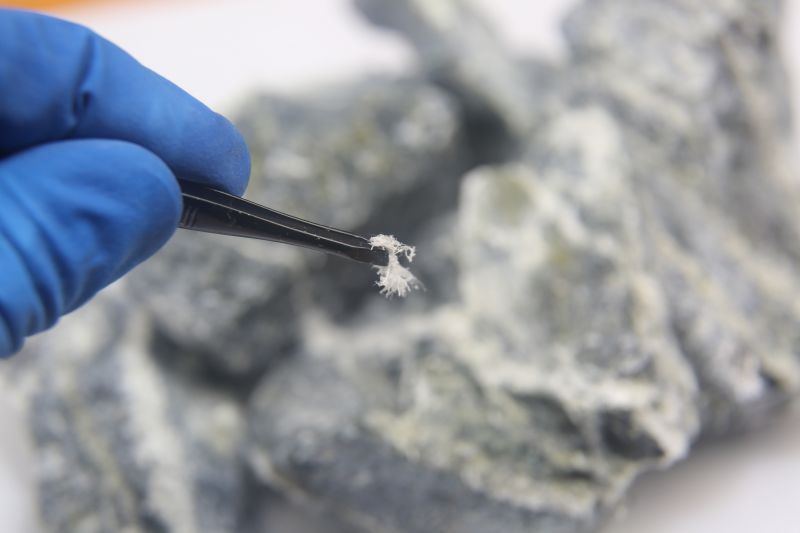
Technician collecting material samples for asbestos analysis.
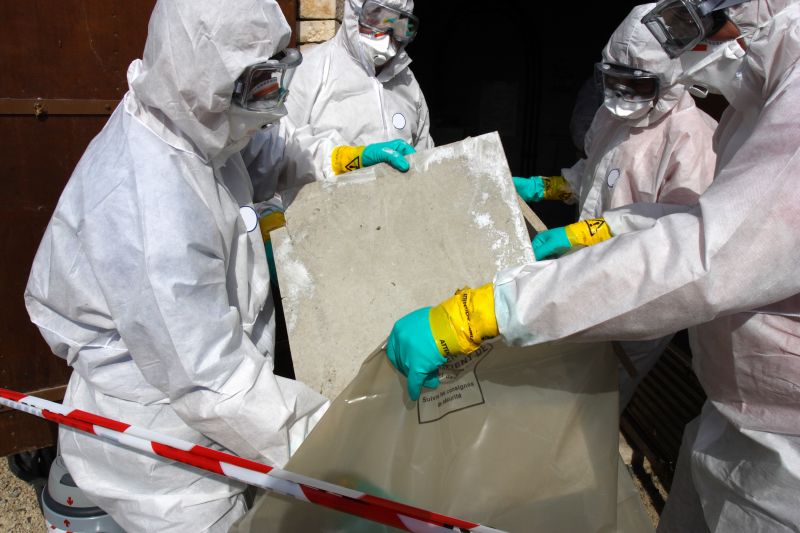
Specialized tools used for asbestos detection and sampling.
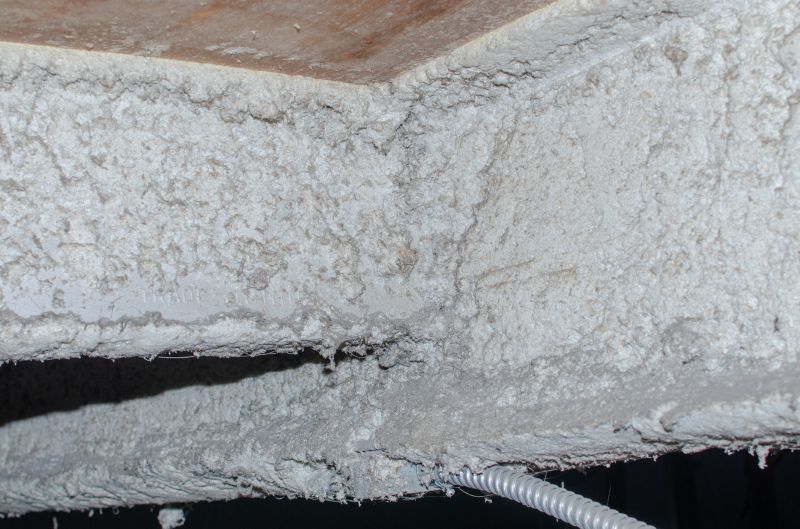
Ways to make Asbestos Inspection Service work in tight or awkward layouts.
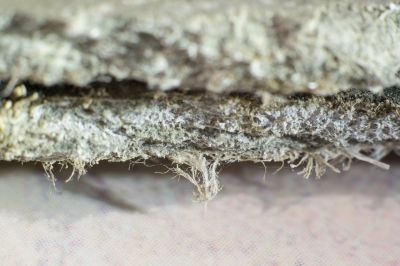
Popular materials for Asbestos Inspection Service and why they hold up over time.

Simple add-ons that improve Asbestos Inspection Service without blowing the budget.
Asbestos inspection involves a thorough assessment of buildings to identify the presence of asbestos-containing materials. These inspections are crucial in preventing health hazards associated with asbestos exposure, which can cause serious respiratory diseases. Asbestos was widely used in construction materials until its ban in many countries, but older structures still pose risks if materials become damaged or disturbed. Regular inspections and timely identification help manage potential hazards effectively.
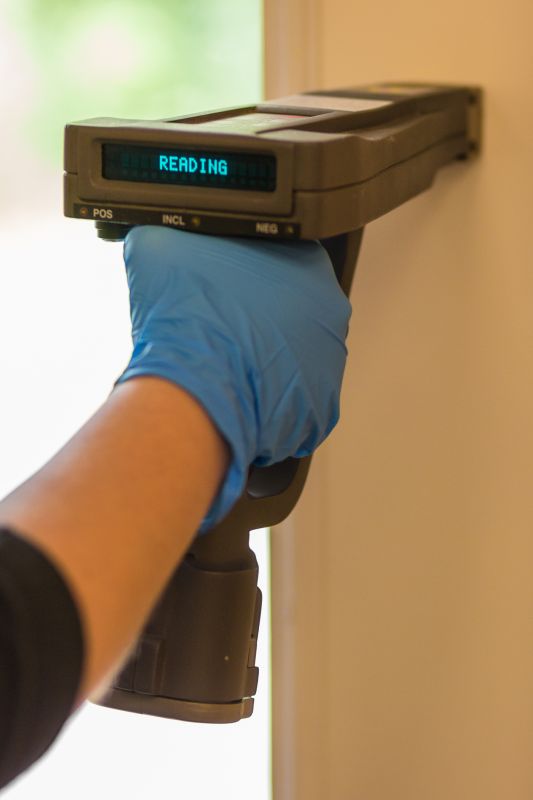
Advanced tools used for precise asbestos detection.
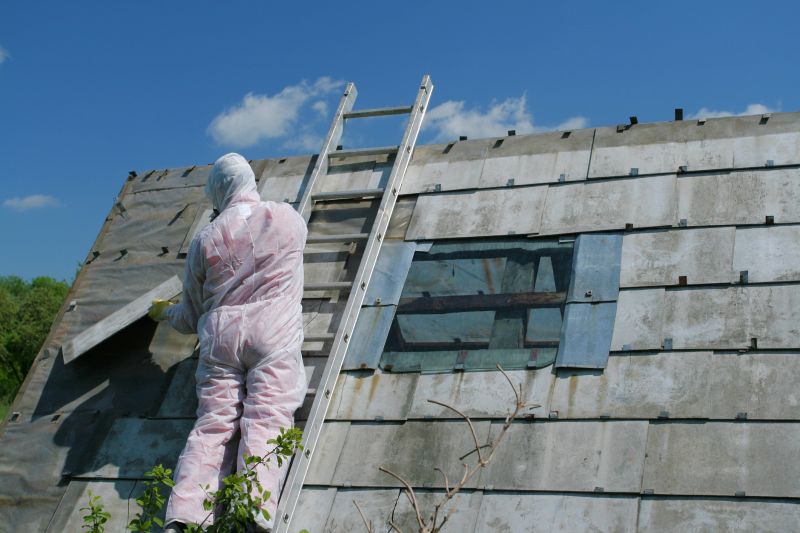
Professionals conducting comprehensive asbestos assessments.
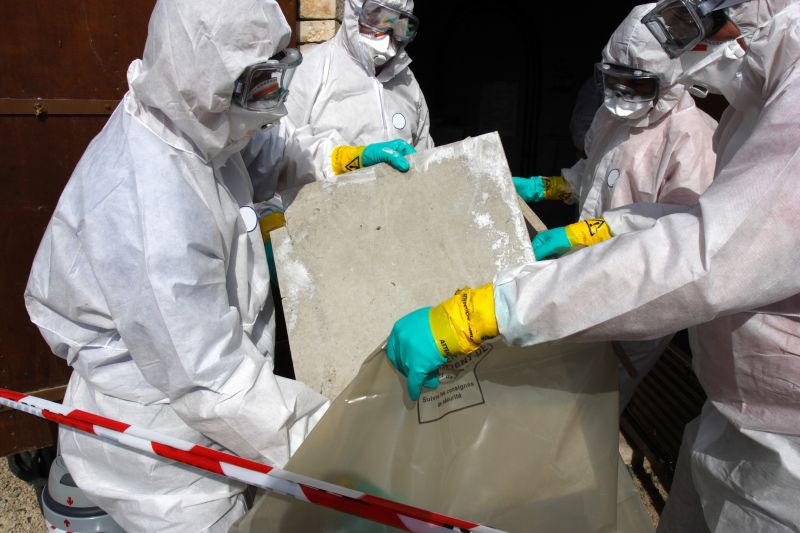
Laboratory testing of collected samples for asbestos presence.
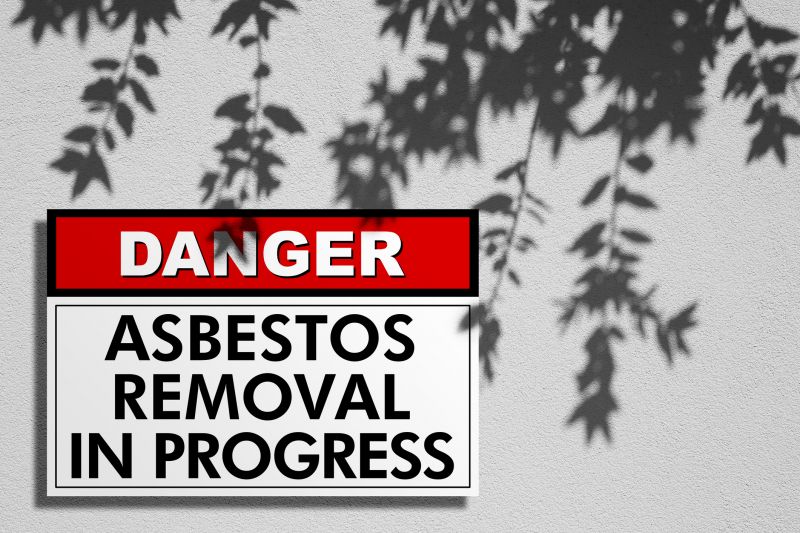
Detailed reports outlining asbestos findings and recommendations.
| Scenario | Recommended Inspection Timing |
|---|---|
| Renovation | Before starting work on the property |
| Property Purchase | Prior to finalizing the sale |
| Aging Buildings | Regular intervals, especially if built before 1980 |
| Demolition | Prior to tearing down structures |
| Post-Disaster | After events that may disturb asbestos materials |
| Property Maintenance | Periodic inspections for older structures |
| Environmental Concerns | When asbestos materials are suspected to be damaged or deteriorating |
Scheduling asbestos inspections at appropriate times minimizes health risks and ensures compliance with safety regulations. Early detection allows for proper management, removal, or containment of asbestos materials. Property owners and contractors are encouraged to prioritize inspections during key phases of property use and development to maintain safe environments.
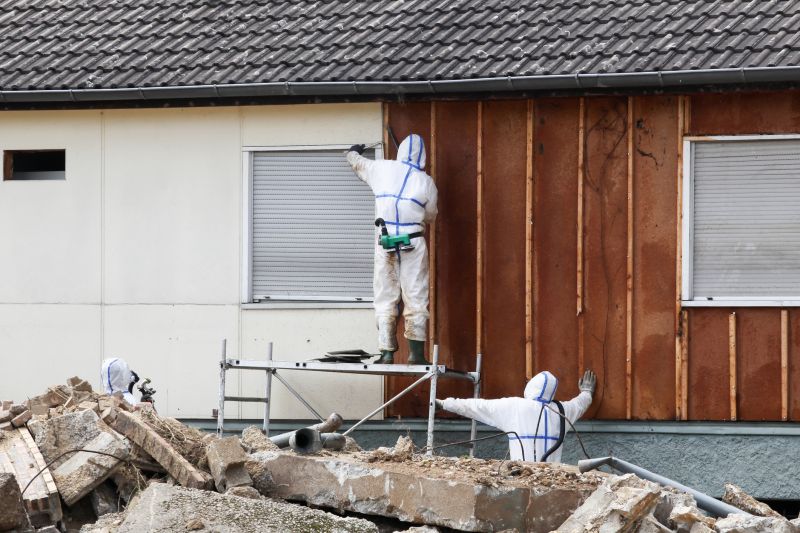
Step-by-step process of conducting asbestos inspections.
Protective gear used during asbestos inspections.
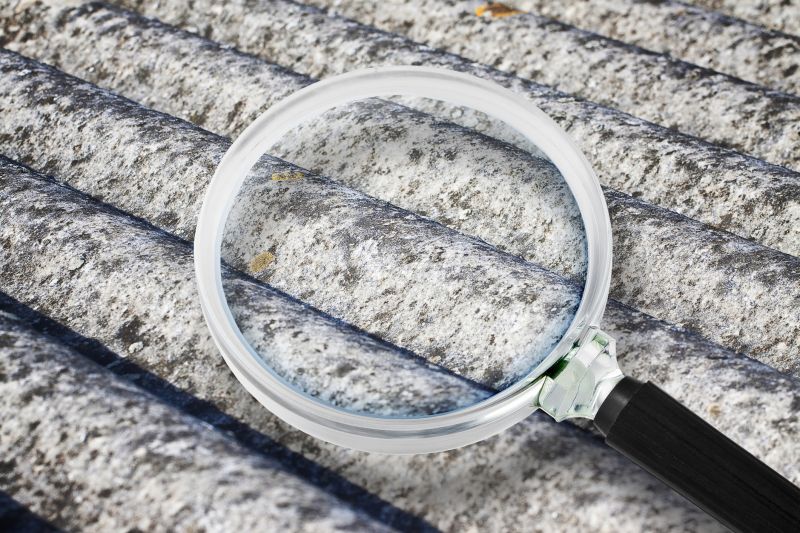
Sample reports indicating asbestos presence.

Guidance on managing asbestos findings effectively.
Interested parties are encouraged to contact for more information or to schedule an asbestos inspection. Proper timing and thorough assessments are vital for maintaining safe living and working environments, especially in older or renovation-in-progress properties.